

More than 90% of people with diabetes have type 2 diabetes (T2D), yet their voices are often missing from research and healthcare decisions. We partnered with community co-researchers living with T2D to explore what supports meaningful involvement.
By Dr Jo Jordan
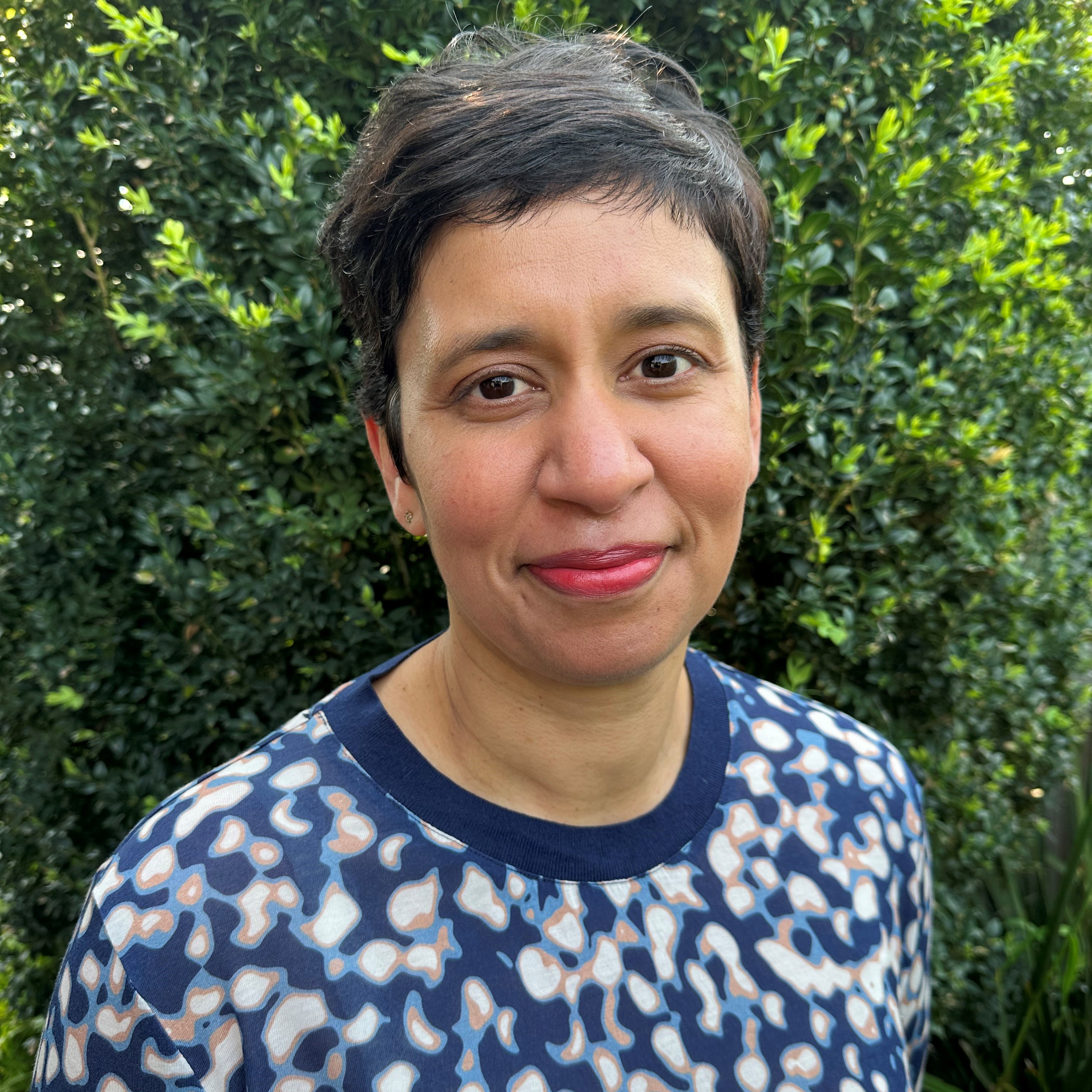
“If we want to include diverse perspectives, we need to cater for them…”
– Community co-researcher
“Nothing About Us Without Us” is a powerful message that reminds us that the people most affected by decisions should be shaping them.
At the ACBRD, we value lived experience as expertise. We aim to do research that matters to those living with diabetes and to work in partnership with them across our research. Our team of researchers include people with lived and loved experience of diabetes. At the same time, we recognise that we have more to learn. We need to keep identifying and addressing barriers so we can truly work in partnership with community.
Community involvement is essential for impact. But researchers and clinicians do not always know the best ways to support people with diabetes to get and stay involved. At the same time, some people living with diabetes may not wish to, may not know how to, or may not be able to get involved. This is especially important in communities that are often underrepresented.
For example, even though more than 90% of people with diabetes have type 2 diabetes (T2D), their voices are often missing from research and healthcare decisions. This made us stop and ask an important question: How can we better support people living with T2D to be meaningfully involved in research?
Our latest research, led by Dr Jo Jordan, summarises the evidence on community involvement in diabetes research and care. We focus on barriers and enablers specifically for people living with T2D. Check out the summary of key findings below.
Who was involved in the study?
This study was led by our team at the ACBRD, as part of our work with the Australian Centre for Accelerating Diabetes Innovation (ACADI).
Importantly, this study was carried out in partnership with people living with T2D. Three community co-researchers were involved at every stage of the project. Their valuable input made sure the findings reflected ‘real world’ experiences, and that recommendations were realistic and acceptable.
About the Study
This study involved a review of published evidence. We reviewed exisiting research that explored barriers and enablers for people with T2D being involved in diabetes research or healthcare improvement initiatives. After screening 8,798 studies, we included 48 for a detailed review and compared key findings across studies.
Key findings
The review found that involvement of people with T2D in research and care improvements is becoming more common. But there is a lot more that can be done to make sure it is meaningful and more inclusive.
What gets in the way?
Common barriers include:
-
-
- Past negative experiences – feeling unheard, experiencing tokenism, or uncertainty about whether input made a difference.
-
-
-
- Practical barriers – time, cost, family and work responsibilities.
-
-
-
- Stigma – feelings of blame or judgement can make people less likely to speak up or take part.
-
-
-
- Limited opportunities or support – unequal opportunities, not knowing how to get involved, facing access and resources barriers.
-
What helps?
-
-
- Building trust and real partnerships with communities and local organisations.
- Co-designing goals, roles, and expectations from the start.
- Focusing on the real benefits for communities, not just research outputs.
- Creating safe, inclusive, and flexible ways for people to be involved.
- Recognising and fairly supporting lived experience expertise, including remuneration.
- Sharing power and ensuring people have a genuine say in decisions.
- Providing support and training to enable involvement.
- Communicate clearly, respectfully, and in accessible ways.
-
What does this mean in practice?
The study highlights key principles for meaningful community involvement for people with any type of diabetes. It also shows the importance of starting with the community itself—working directly with people to understand how they want to be involved and what meaningful participation looks like to them.
In practice, meaningful community involvement isn’t always easy. Researchers and health services often face limits in time, funding and system support which can make this work challenging. This is why it is important to advocate for resources and conditions needed to make community involvement ‘core practice’ – not something optional or “nice to have.”
It is not just about inviting people to be involved. It is making sure that those most affected by diabetes research and care are heard, valued and able to make a real difference.
Reference:
Jordan JE, Litterbach E, Geerling R, et al. Meaningful engagement of lived experience in diabetes research and health service improvement: A rapid review of barriers to and enablers for community involvement among adults with type 2 diabetes. Diabet Med. 2026;00:e70274. doi:10.1111/dme.70274
 Print This Post
One thought on “Centring Lived Experience in Diabetes Research and Care: what helps and hinders meaning involvement?”
Comments are closed.